BioActive Enclosure


Lets build and learn about bioactives
A bioactive vivarium, is an enclosed ecological system, that houses animals, plants, and other organisms to create a self-sustaining ecosystem. The term "bioactive" refers to a substance that has a biological effect. In a bioactive terrarium, everything helps maintain a natural balance and promote the health of your spood.
Through the addition of some key bioactive elements, the terrarium will do the dirty work of cleaning and restoring itself.
As you might expect, there are various factors involved in a successful bioactive ecosystem. But on a practical level, it’s mostly a one-time setup, and low maintenance.
.jpg)
Step 1
Remove Film and doors
Be sure your enclosure able compatible with bio active, a deep 3 inch base and holds water. Most new acrylic enclosures come with protection film on all sides of the enclosure. Carefully peel it off using finger nails or plastic to ensure no scratches. Remove all doors before proceeding on your bio active build.
Step 2
Drainage layer
You need a 1/2 inch layer of drainage media, this could be leca, chunky perlite #4, or volcanic rock. Drainage layer is one of the most important pieced of making a bioactive. This will help keep the soil out of stagnate water. ensuring the clean up crew remain safe and hydrated.
.jpg)
Step 3
.jpg)
Drainage Shield
Our drainage shield is specifically designed for our enclosure. a drainage shield helps keep to bioactive substrate out of the drainage layer. If you do not have one of our drainage shields, you can use weed barrier, neatly spread a pieces of fabric over your drainage layer ensuring there is extra around the sides to hold substrate above the drainage layer.
Step 4
Substrate mix
your substrate mix is highly important. A good mix intended for bioactive will make your bioactive plants and clean up crew thrive. A good mix should have a variety of different materials that help retain moistures, and easily drains. it should be inoculated with Mycorrhizal bacteria (turns bug poop to something useable for plants) charcoal (helps with odor and bacteria) and decaying oak wood and leaves ( isopods and sprigtails best dinner in town),
Always prewet your substrate mix before putting into the bioactive. most substate is sold dry and tends to be hydrophobic when its packaged that dry. Save your self at just prewet the substrate.
.jpg)
.jpg)
Step 5
Plants, hardscape and botanicals
Now is time to get creative..
Using Terrarium plants that have been cleaned of pests and soil, Plant directly into the Bioactive substrate.
Add driftwood an cork bark to give height ensuring its not easy to knock over and is secure.
Add botanicals, clean up crew love botanicals to nibble on explore and to make has homes. Any dried botanical that's is aquarium safe works.
Do not use metal tools so you don't scratch the the acrylic of the terrarium.
Step 6
Leaf litter
Sprinkle leaves all over the substrate. This creates micro habitats for clean up crew to have the best reproductive life cycle.
Safe Leaf litter choices that have been collected from Unsprayed trees and ground and have been sanitized for best by boiling for 10-15 min or baking at 200 for 30-45 min. allow to cool and dry completely before use.
-
Oak
-
Magnolia
-
Beech
-
Maple
-
Sea grape
-
Guava
-
Indian almond
Using a variety is best
NO PINE, WALNUT, CEDAR, FIR OR EUCALYPTUS
.jpg)
Step 7
.jpg)
decor and accesories
Adding Decor and accessories to your spiders enclosure provides encirclements as it you spiders explores its habitat. Shelfs and hides give anchor points to hold on to. Slick sided new acrylic enclosures is hard to hold onto and you spider wants to feel secure in its home.
Add all your decor and accessories before adding living animals in to enclosures to not risk accidental injury. All items should be secure and strong to not move around, or rock easily when handling the enclosure and opening doors, You should be able to shake enclosure and nothing falls or moves
Add Critters
Step 8
enclosure should be fully set up and stable before introduction. Temperature, humidity, and ventilation should already be within appropriate range. Substrate should be evenly moist but not saturated. Gently place clean up crew on substrate or on cork bark, allowing them to disperse on their own without handling, Avoid sudden changes during introduction as this can cause stress. Once introduce allow the enclosure to settle without disturbance so invertebrates can acclimate and establish hiding spot and begin contributing to the enclosures natural ecosystem.
.jpg)
Plant recommendations
Terrarium plants should have small leaves and compact growth even as the plant matures. They should thrive well in a humid environment and thrive in lower lighting.
Acquiring plants from good sources that do not use fungicide or pesticide. If you can not find a source for pesticide/fungizide free plants, repot plants in organic safe soil and quarantine plants for 3 months before use. Remove soil and wash thoroughly with water before planting in bioactive.
.jpg)
.jpg)
.jpg)
.jpg)
.jpg)
.jpg)
.jpg)
.jpg)
Clean up Crew
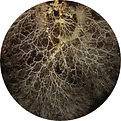
is the living foundation of a healthy bioactive enclosure. made up of springtails, isopods, and beneficial mycorrhizal fungus, this micro ecosystem works together to naturally recycle waste support plant health and maintain long term enclosure balance
.jpg)
Mychoriza Fungus
form a beneficial relation with plant roots, improving nutrient uptake, strengthening root system and supporting overall soil health. May need to be readded if enclosure dried out.
_edited.jpg)
Springtails
Feed on mold, fungus, and decaying organic matter, helping prevent outbreaks while keeping substrate fresh.
.jpg)
Isopods
break down leaf litter, shed exoskeleton, and waste into a nutrient material that plants can use. While not essential for your spiders clean up crew. Only add Isopods after spiders mature molt.
Non aggressive, dwarf or small species recommended
BioActive Grow lights
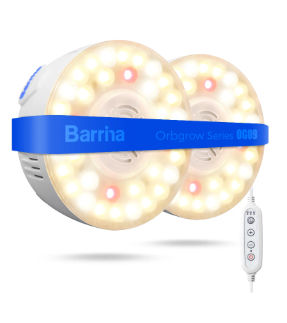
Bioactives will not thrive without proper lighting, LED Color Temperature around 5000K-6500K (cool white/daylight). Some grow lights come with timers to control and maintain a consistent schedule, or you can find an outlet timer at most hardware stores. Light should be 6 inches away from enclosure to avoid burning or warping
* Not sponsored

.jpg)
Bio Bloom
is a common natural phase in newly established bioactive enclosures.
.jpg)
fungus appears as white fuzzy weblike fungal growth on substrate, wood and leaf litter. this occurs when fresh organic materials, moisture and limited airflow create ideal conditions for beneficial fungus to break down nutrients
.jpg)
In most cases, bio bloom is temperorary and will fade as the enclosure matures. As springtails and isopods settle in, they actively feed on fungi and help keep growth in balance
.jpg)
managing bio bloom focuses on balance rather than elimination. maintain proper ventilations, avoid over watering. and allowing clean up crew to do their job is usually all that's needed.
Ongoing Maintenance
.jpg)
Support clean up crew
Occasionally supplement clean up crew with appropriate foods if natural debris is limited
.jpg)
Water
Water when the condensation on the enclosure in the substrate substrate layers, starts disappearing. Avoid over watering. the drainage level of water should never get more than half way full..
.jpg)
Trim plants
Plants grow and that's a great thing. Minor trimming to keep space open for your spider to explore.
.jpg)
Fertilize
Every 6 months fertilize substrate with worm castings to helps plant growth.
.jpg)
leaf litter levels
replace leaf litter as necessary there should always be a layer on top of substrate
.jpg)
Spot clean
Spot cleaning the sides of the enclosure with microfiber cloth and picking up uneaten waste that the clean up crew can not clean up before it molds
Suggested Accessories for Spider
our picks of necessary accessories to keep your spider happy in your bioactive
.jpg)
Hygrometer/ Thermometer
provides accurate, easy to read monitoring of humidity and temperatures inside of enclosure. Maintain proper environment conditions is essential for the health of your invertebrate and plants
.jpg)
Feeding Dish
provides a clean, designated area for offering food inside of your enclosure, Keeping feeder insects from burrowing down into the substrate
.jpg)
Climbing lace
provides extra texture and vertical surfaces inside of enclosure encouraging natural climbing and exploring behaviors. It creates a secure grip points making the enclosure more enriching and functional