

Why Weird Is Beautiful in Nature: Celebrating Unique Pet Beauty

When we look at nature, we often admire the familiar - the bright colors of a butterfly, the sleek fur of a cat, or the graceful flight of a bird. But what about the creatures that don’t fit the usual mold? The ones with unusual shapes, strange colors, or unexpected behaviors? These oddities remind us that unique pet beauty is all around us, especially in the world of invertebrates. Let’s explore why weird is beautiful in nature and how embracing this idea can deepen our appreciation for these fascinating creatures.
Discovering Unique Pet Beauty in Invertebrates
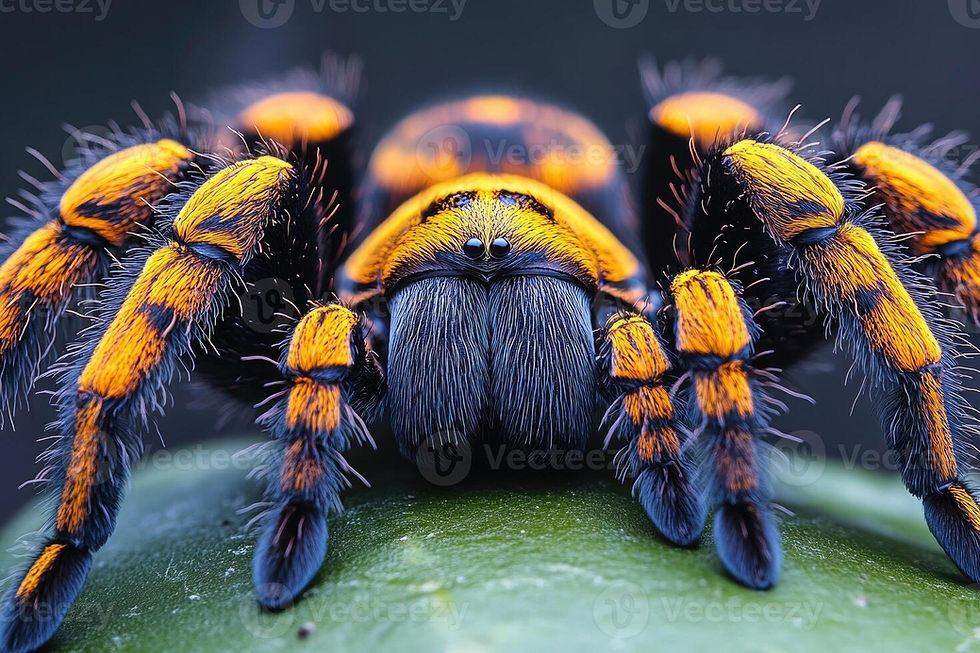
Invertebrates are some of the most diverse and intriguing animals on the planet. From the delicate wings of a dragonfly to the intricate patterns on a tarantula’s body, their beauty is often overlooked because it doesn’t match traditional ideas of attractiveness. But when we take a closer look, we see that their weirdness is what makes them truly special.
Take the orchid mantis, for example. This tiny insect mimics the shape and color of a flower so perfectly that it can fool both predators and prey. Or consider the peacock spider, which performs a colorful dance to attract mates. These creatures show us that beauty isn’t just about symmetry or bright colors - it’s about uniqueness and adaptation.
By appreciating these unusual traits, we open ourselves to a richer understanding of nature’s creativity. We learn that beauty can be found in the unexpected, and that every creature has a story worth telling.

Why Unique Pet Beauty Matters to Us
When we care for invertebrates as pets, we enter a world where weird is beautiful. These animals challenge our perceptions and invite us to see beauty through a different lens. This shift is important for several reasons:
Encourages empathy and respect: Recognizing the beauty in unusual creatures helps us treat them with kindness and care.
Promotes ethical pet keeping: When we value uniqueness, we support responsible breeding and discourage mass production.
Fosters curiosity and learning: Weird traits spark questions and inspire us to learn more about biology and ecology.
Builds a supportive community: Sharing our appreciation for unique pets connects us with others who feel the same way.
By embracing unique pet beauty, we contribute to a culture that values diversity and sustainability. We become advocates for animals that might otherwise be ignored or misunderstood.
The Science Behind Nature’s Oddities
Nature’s weirdness isn’t random - it’s the result of millions of years of evolution. Strange features often serve important purposes, helping animals survive and thrive in their environments. Understanding these adaptations can deepen our appreciation and guide us in caring for these pets.
For example:
Camouflage and mimicry: Many invertebrates use weird shapes and colors to blend in or imitate other species. This protects them from predators and helps them catch prey.
Communication and mating: Bright colors, unusual dances, or strange sounds can attract mates and ensure the continuation of the species.
Defense mechanisms: Some creatures have bizarre spikes, toxins, or behaviors that deter threats.
Environmental adaptation: Weird features can help animals survive extreme conditions, like deep-sea vents or arid deserts.
By learning about these functions, we see that weirdness is not just aesthetic - it’s survival. This knowledge encourages us to provide environments that meet the specific needs of our unique pets.

How to Care for Your Unique Invertebrate Pets
Caring for invertebrates with unique traits requires attention and respect. Here are some practical tips to help you provide the best home for your unusual companions:
Research thoroughly: Each species has specific needs for temperature, humidity, diet, and habitat. Use trusted sources and connect with experienced keepers.
Create a naturalistic environment: Mimic their natural habitat as closely as possible. Include hiding spots, climbing structures, and appropriate substrate.
Feed a varied diet: Many invertebrates require live food or specialized diets. Ensure you provide fresh, nutritious options.
Handle with care: Some species are delicate or defensive. Learn the best ways to interact without causing stress or harm.
Monitor health regularly: Watch for signs of illness or distress. Early detection can prevent serious problems.
Support ethical breeders: Choose pets from responsible sources that prioritize animal welfare over mass production.
By following these guidelines, we honor the unique beauty of our pets and help them live healthy, happy lives.
Embracing the Weirdness Together
We are part of a growing community that celebrates the extraordinary. When we say *weird is beautiful*, we remind ourselves that every creature, no matter how strange, has value and charm. This mindset helps us appreciate the small wonders around us and encourages us to protect them.
Let’s continue to explore, learn, and share our passion for unique pet beauty. Together, we can create a world where all animals are respected and loved for who they are.
Nature’s weirdness is a gift. It teaches us to look beyond the surface and find beauty in diversity. By welcoming the unusual, we enrich our lives and deepen our connection to the natural world. Let’s celebrate the weird, the wonderful, and the truly beautiful.


Comments